Suffolk & Nassau County, Long Island
Stump Grinding in Suffolk & Nassau County
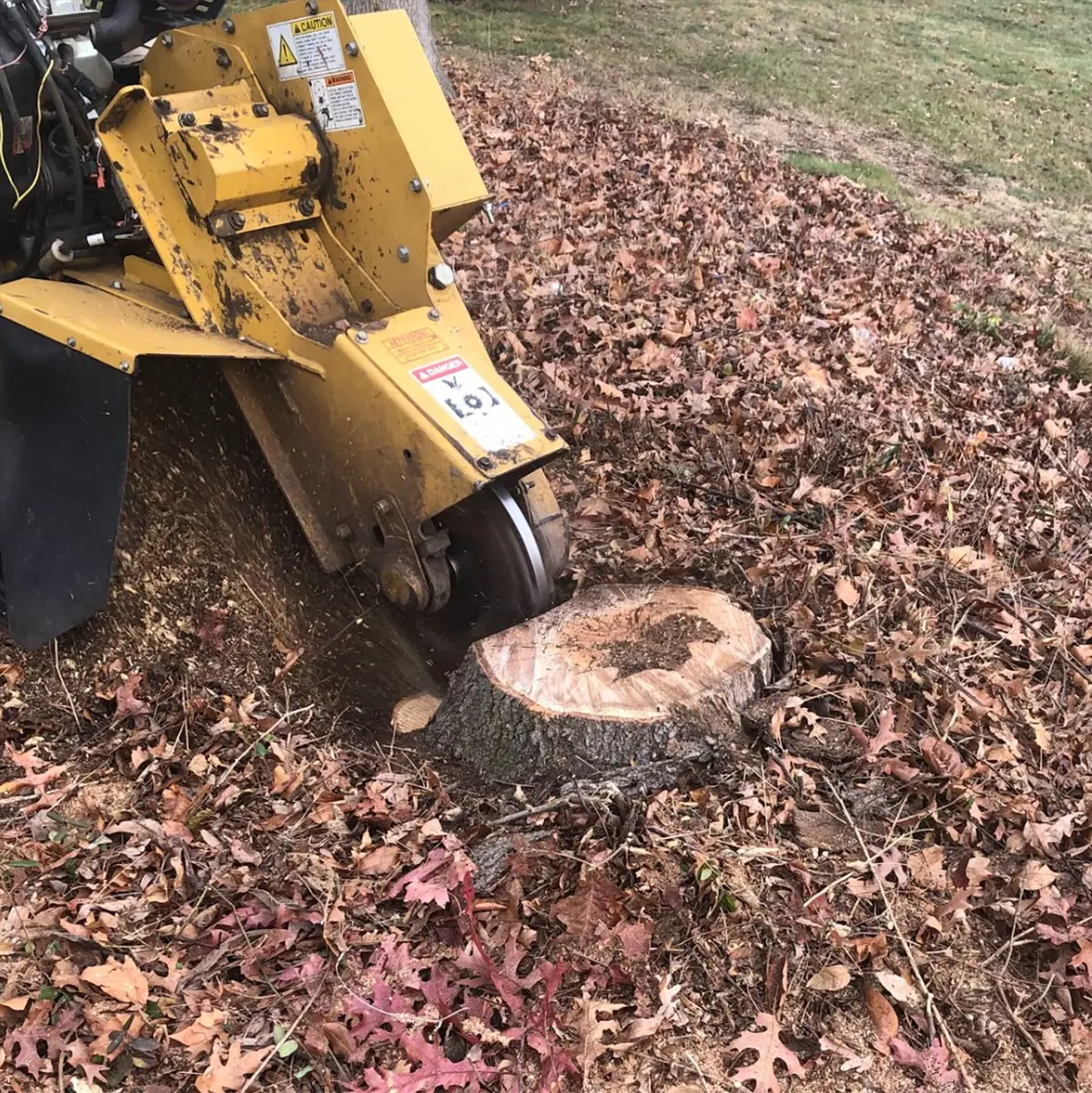
A stump left behind after a tree removal isn't just an eyesore — it's a tripping hazard, a mower obstacle, and a spot where new sprouts and fungus love to take hold. Big Brothers Tree Service runs self-propelled stump grinders sized to fit through standard backyard gates across Lindenhurst, Babylon, West Islip, and the rest of Suffolk and Nassau County, grinding stumps down below grade so you can reclaim the space for lawn, mulch beds, or a new planting.
Call (631) 873-1596We handle everything from a single leftover stump after a storm removal to a cluster of old stumps on a lot that's been neglected for years. Every job includes an honest, free estimate — call (631) 873-1596 or send photos and we'll quote a range before we ever start the machine.
How Deep We Grind
Standard residential grinding takes the stump down 4 to 6 inches below the surrounding soil grade, which is plenty for lawn to grow back over or for a few inches of topsoil and seed. If you're planning to put in a paver patio, a shed, or a new tree in the exact same spot, we can grind deeper — sometimes 10 to 12 inches or more — to clear out the root flare and major structural roots so they don't interfere with the new footing.
Depth also depends on the species. Trees like oak and maple send big lateral roots close to the surface, so we grind a wider circle to catch surface roots that would otherwise pop up through new grass within a season or two.
Getting the Machine to the Stump
Our grinders come in a couple of sizes. The compact tow-behind and walk-behind units fit through gates as narrow as 36 inches, which covers most side yards on typical Long Island quarter-acre and half-acre lots. Larger backyard stumps or multiple stumps sometimes call for a bigger tracked machine, which needs closer to 42-48 inches of clearance.
Before we quote a job we ask about gate width, fence gaps, and anything else — pool equipment, AC condensers, low-hanging wires — that could block the path. On tighter properties in older sections of Amityville or Copiague where lots run narrow, we sometimes need to remove a fence panel temporarily to get equipment through; we'll flag that during the estimate, not as a surprise on invoice day.
Wood Chips, Backfill, and Cleanup
Grinding produces a pile of wood chips and soil mixed together, roughly proportional to the stump's size — a 30-inch oak stump can leave a mountain of debris. We include hauling that spoil pile away in our standard pricing, or if you'd rather keep the chips for mulch around garden beds, just let us know and we'll rake them out for you instead.
Once the chips are cleared, we backfill the hole with topsoil so it's level with the surrounding yard, and we can rake in grass seed and straw at your request. Keep in mind the ground will settle over the following weeks as the remaining root mass below decomposes, so a little touch-up soil the next season is normal, especially in sandy soil that drains and settles fast.
Root Flare, Surface Roots, and What Grinding Doesn't Remove
Stump grinding chews up the visible stump and the root flare at the base, plus we'll follow major roots out a few feet in each direction. It does not pull the entire root system out of the ground — for that you'd need full excavation with heavy equipment, which tears up a much larger area of lawn, costs significantly more, and usually isn't necessary unless you're grading for a foundation or in-ground pool.
For most homeowners, grinding is the better call: it's faster, cheaper, less disruptive to the yard, and it eliminates the tripping hazard and the mower-killing stump entirely. If you're not sure which makes sense for your project, tell us what's going in that spot next and we'll steer you toward the right option.
Sandy Long Island Soil Changes the Job
Much of Suffolk County sits on sandy, well-drained glacial soil, which actually makes grinding a little easier than in heavy clay regions — the grinder wheel moves through loose sandy backfill quickly once the woody stump material is chewed up. The tradeoff is that sandy soil settles more after backfilling, so we recommend checking the spot after the first hard rain and adding a bit more topsoil if needed before seeding.
Call 811 Before We Grind
Stump grinders dig several inches into the ground, which means buried utility lines are a real risk. Before any grinding job we recommend calling 811 (Dig Safely New York) to have gas, electric, and cable lines marked, especially for stumps near the street, driveway apron, or utility easement. This is a free service and the standard practice before any digging in New York State — we always ask homeowners whether marking has been done, and we can help coordinate the request if you haven't called yet.
Multiple Stumps and Pricing
Pricing is based mostly on stump diameter, root spread, and access — a small maple stump in an open front yard is a quick job, while a wide, root-bound stump wedged behind a fence takes longer. Most single residential stumps run in the range of a few hundred dollars, with larger or harder-to-reach stumps costing more. When we're already on site grinding one stump, adding a second or third is typically discounted since the machine and travel are already covered — it's worth grinding everything at once rather than calling us back separately for each one.
Call (631) 873-1596 for a free, no-obligation estimate. We can often quote accurately from a couple of photos and a diameter measurement.
Regrowth and Suckering Species
Some species don't give up easily even after the visible stump is ground out. Black locust and Norway maple are two of the worst offenders on Long Island — both are notorious for sending up suckers from lateral roots that can run 15-20 feet from the original trunk, popping up in lawns and garden beds long after the tree is gone. Grinding the main stump and nearby roots reduces this significantly, but it doesn't guarantee zero regrowth from a well-established root system.
If suckering shows up, mowing or cutting the sprouts repeatedly will eventually starve the root system since it can't photosynthesize through new growth. In stubborn cases, we can come back and grind out additional root sections where suckers keep emerging. Ask us about species-specific expectations when we quote your job so there are no surprises down the road.
Frequently Asked Questions
How long does stump grinding take?
Most single residential stumps take 30 minutes to an hour once the equipment is on site. Larger stumps, multiple stumps, or tight-access jobs can take longer. We'll give you a time estimate along with the price quote.
Can you grind a stump right after removing the tree?
Yes, and it's often more efficient to do both in the same visit since the equipment is already set up. Just let us know when you request an estimate and we'll price it as a combined job.
Will grass grow back over the ground stump?
Yes, once we backfill with topsoil and the area is seeded (or you seed it yourself), grass typically fills back in over one to two growing seasons. Expect some settling as the remaining underground roots decompose.
Do I need to call 811 before you grind my stump?
We strongly recommend it, especially for stumps near the street, driveway, or utility easement. Dig Safely New York (811) marks buried gas, electric, and cable lines for free, and it's the standard precaution before any digging in New York State.
What happens to the wood chips?
We haul the chip and soil debris away as part of standard pricing. If you'd rather keep the chips for mulching garden beds, just let us know and we'll leave and spread them for you instead.
Can you fit your equipment through my backyard gate?
Our smaller grinders fit through gates as narrow as 36 inches, which covers most Long Island side yards. Tell us your gate width when you call and we'll bring the right machine, or flag it upfront if a fence panel needs to come off temporarily.
Will a stump grow back after grinding?
The stump itself won't regrow, but species like black locust and Norway maple can send up root suckers well away from the original trunk. Repeated mowing of any sprouts eventually starves the root system; we can also return to grind additional roots if needed.