Suffolk & Nassau County, Long Island
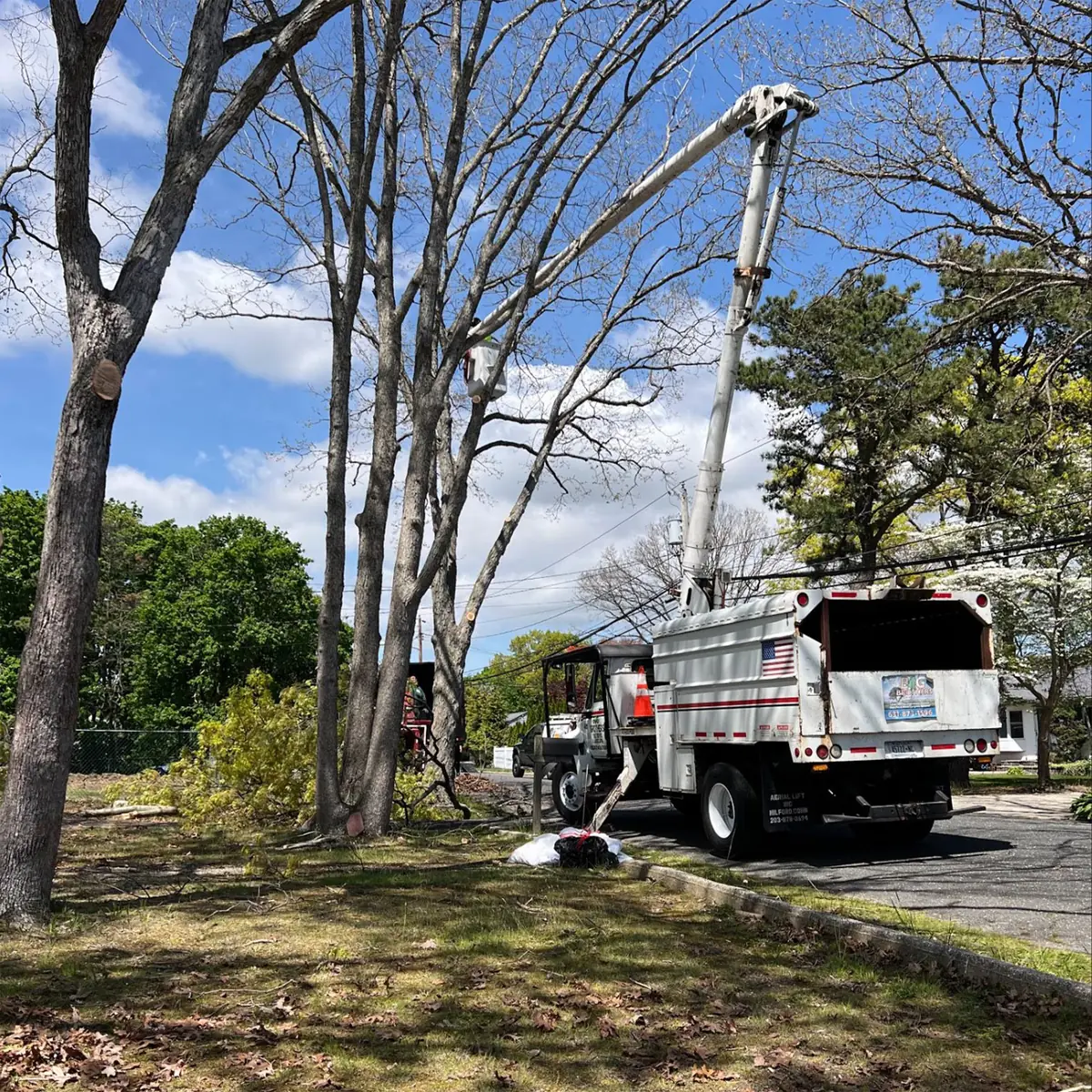
Emergency Tree Removal on Long Island
Long Island gets hit hard by nor'easters, remnants of Gulf and Atlantic hurricanes, and the occasional summer microburst that drops a tree with almost no warning. When a tree comes down on your house, car, driveway, or across a shared property line, you need someone who can respond fast, work safely, and help you get the property secured. Big Brothers Tree Service provides 24/7 emergency tree response across Suffolk and Nassau County.
Call (631) 873-1596We understand that a storm emergency isn't a normal service call. You're dealing with property damage, possibly a compromised structure, and often an insurance claim on top of it. Our job is to get the tree off, make the area safe, and give you documentation that supports whatever comes next.
24/7 storm and fallen-tree response
We take emergency calls around the clock, including overnight and weekends, because trees don't wait for business hours to fall. Whether it's a limb through a roof after a nor'easter rolled through, a whole tree down across a driveway after hurricane remnants pushed through with high wind, or a tree split by a fast-moving summer storm, we mobilize a crew as quickly as conditions safely allow.
During major storm events that hit the whole region at once, response times can stretch as crews work through a backlog of calls across Suffolk and Nassau. We prioritize situations where a tree is blocking an exit, resting on a structure, or posing an ongoing safety risk, and we'll give you an honest estimate of when we can get there.
What to do before the crew arrives
If a tree has come down on or near your home, the first priority is keeping everyone away from the area. Don't attempt to move branches or cut anything yourself, especially if there's any chance the tree is in contact with a power line or a utility mast has been damaged. Keep kids and pets inside and away from windows near the damaged area.
If it's safe to do so from a distance, take photos and a short video of the damage before anything is moved. This documentation is genuinely useful later for insurance purposes, but it should never come before your own safety — if there's any doubt about downed wires or structural instability, stay back and wait for us or emergency responders.
Downed power lines: what to do
Any tree or branch in contact with a utility line should be treated as if the line is live, even if it looks dead or the power in your house is out. Do not touch the tree, the line, or anything they're resting on, and keep pets and children well away from the area.
Call 911 and report the downed line to PSEG Long Island directly so they can send someone to make it safe. We coordinate with PSEG on any job involving lines and will not send a crew to cut a tree that's in contact with an energized line until the utility has confirmed it's been de-energized or otherwise secured.
Tarping and making a structure safe
If a tree has opened up a hole in your roof or siding, getting the structure weathertight quickly matters, especially with more rain often following the storm that caused the damage. Once the tree is removed and it's safe to be on the roof, we can install a tarp over the damaged section to keep water out while you arrange permanent repairs with a roofer or contractor.
Temporary tarping is meant to buy time, not replace a real repair. We'll let you know clearly what we did and where, so you or your insurance adjuster have an accurate picture of the interim protection in place versus the permanent fix still needed.
Documenting the damage for an insurance claim
Most homeowners dealing with storm damage are also opening a claim with their insurance company, and good documentation makes that process smoother. Before cleanup starts, take wide photos of the whole scene and close-up photos of specific damage — the tree, the point of impact on the structure, and any damaged property like fencing, a car, or a shed. Video walkthroughs are useful too since they capture context that a single photo misses.
Keep a simple written timeline: when the tree came down, when you noticed it, when you called us, and when the work happened. Adjusters commonly ask for the date and time of the incident, photos from before cleanup, and an itemized invoice describing exactly what work was performed. We provide a detailed, itemized invoice on every emergency job specifically because this paperwork often matters for a claim.
Hold onto every piece of paperwork: our invoice, any tarping receipt, and photos, in one folder or email thread so it's easy to hand over if your adjuster asks for backup. This is general practical guidance based on what we typically see requested, not legal or insurance advice — your policy and adjuster's specific requirements should always be your final reference.
Frequently Asked Questions
Are you available for emergency tree removal at night or on weekends?
Yes, we take emergency calls 24/7, including overnight and weekends, because storm damage doesn't happen on a schedule. Call (631) 873-1596 and we'll assess the situation and get a crew out as quickly as conditions safely allow, prioritizing trees on structures or blocking access.
A tree fell on my house — what should I do first?
Keep everyone away from the damaged area and don't attempt to move anything yourself. If it's safe from a distance, take photos for documentation. Call us right away, and if there's any chance of a downed power line or gas issue, call 911 and PSEG Long Island immediately before anything else.
What if the tree is touching a power line?
Treat it as live even if the power looks out. Don't touch the tree, line, or anything it's resting on. Call 911 and PSEG Long Island so they can secure the line. We coordinate directly with the utility and won't cut a tree in contact with an energized line until it's been confirmed safe.
Can you tarp my roof after tree damage?
Yes, once the tree is removed and the roof is safe to access, we can install a temporary tarp over the damaged area to keep water out until you can schedule a permanent repair with a roofer. It's a stopgap measure, not a substitute for the actual roof repair.
Will you provide documentation for my insurance claim?
Yes, we provide a detailed, itemized invoice describing the work performed, which is typically what adjusters ask for. We also recommend you take your own photos and keep a simple timeline of events. This is practical guidance based on common adjuster requests, not formal insurance or legal advice.
How fast can you respond during a major storm?
During region-wide storm events, response times can stretch as crews work through calls across Suffolk and Nassau County. We prioritize trees on structures, blocking exits, or posing ongoing hazards, and we'll always give you an honest estimate of when we expect to arrive.
Do you handle both the tree removal and the cleanup?
Yes, our emergency service includes removing the tree, clearing debris from the immediate area, and hauling away wood and brush. If tarping or additional structural protection is needed, we can handle that too, then coordinate the timeline so you can bring in a roofer or contractor for permanent repairs.