Best Time of Year to Remove or Trim Trees on Long Island
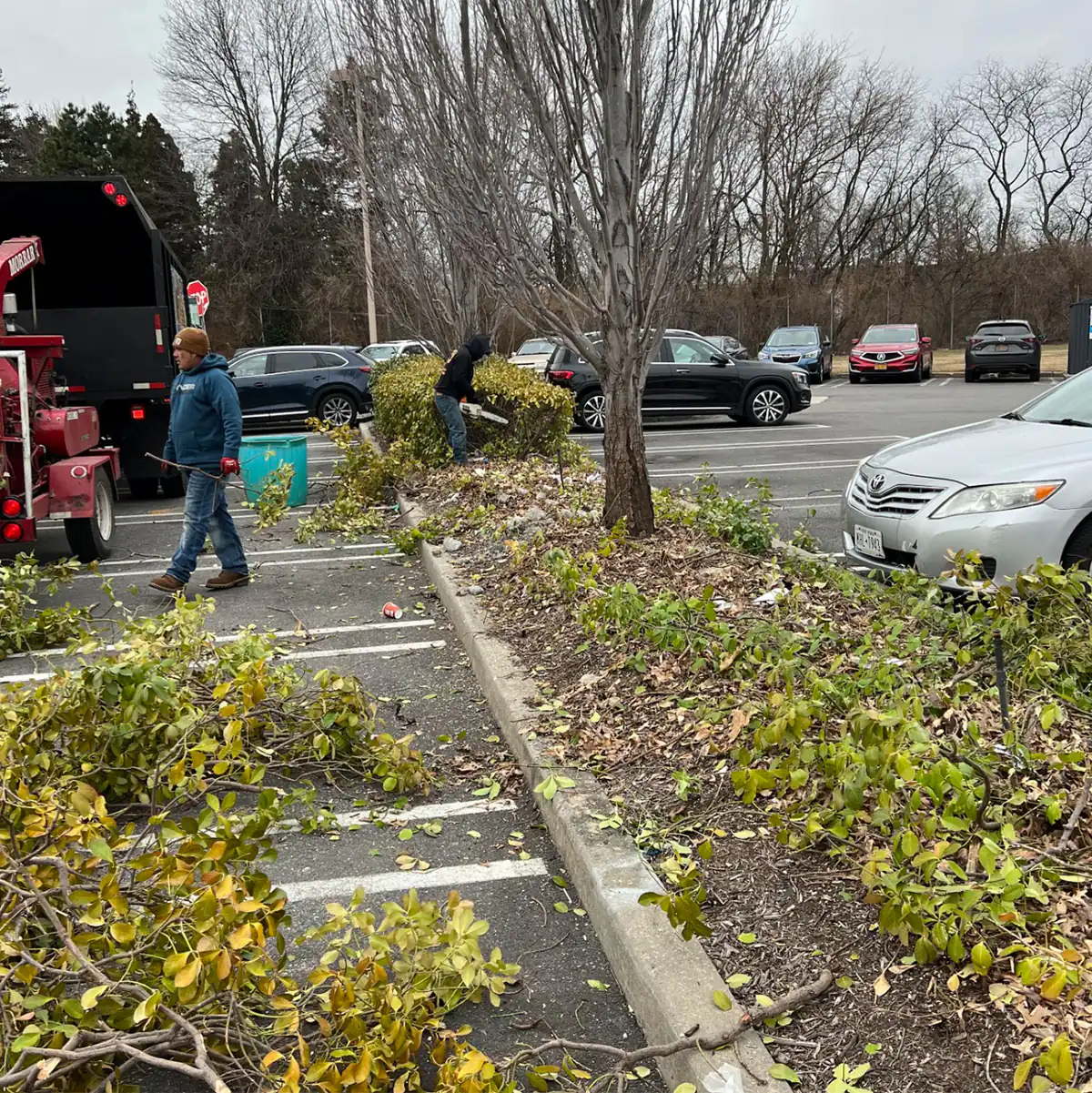
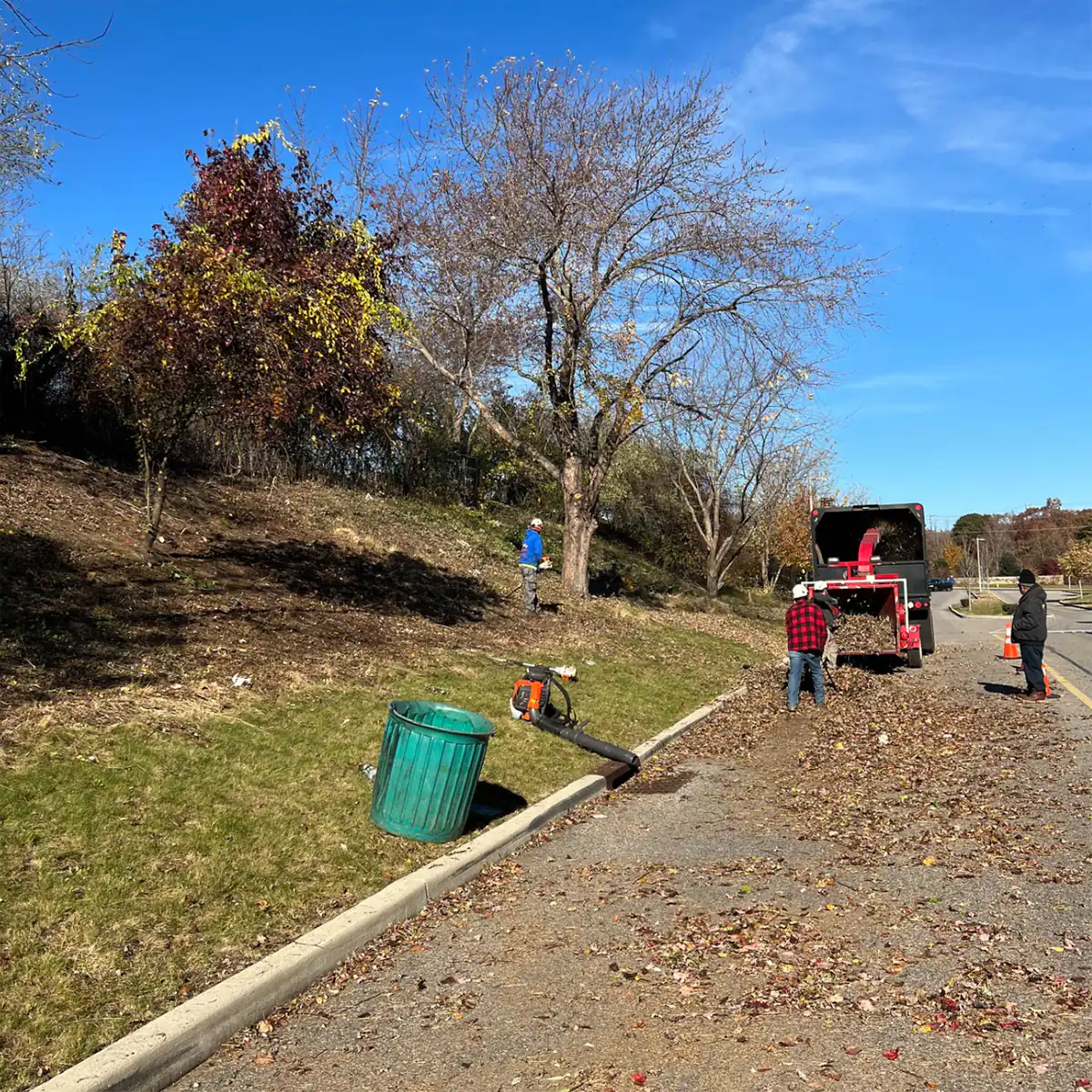
The best time depends on whether the work is an urgent safety response, an elective removal, or pruning intended to support a particular species.
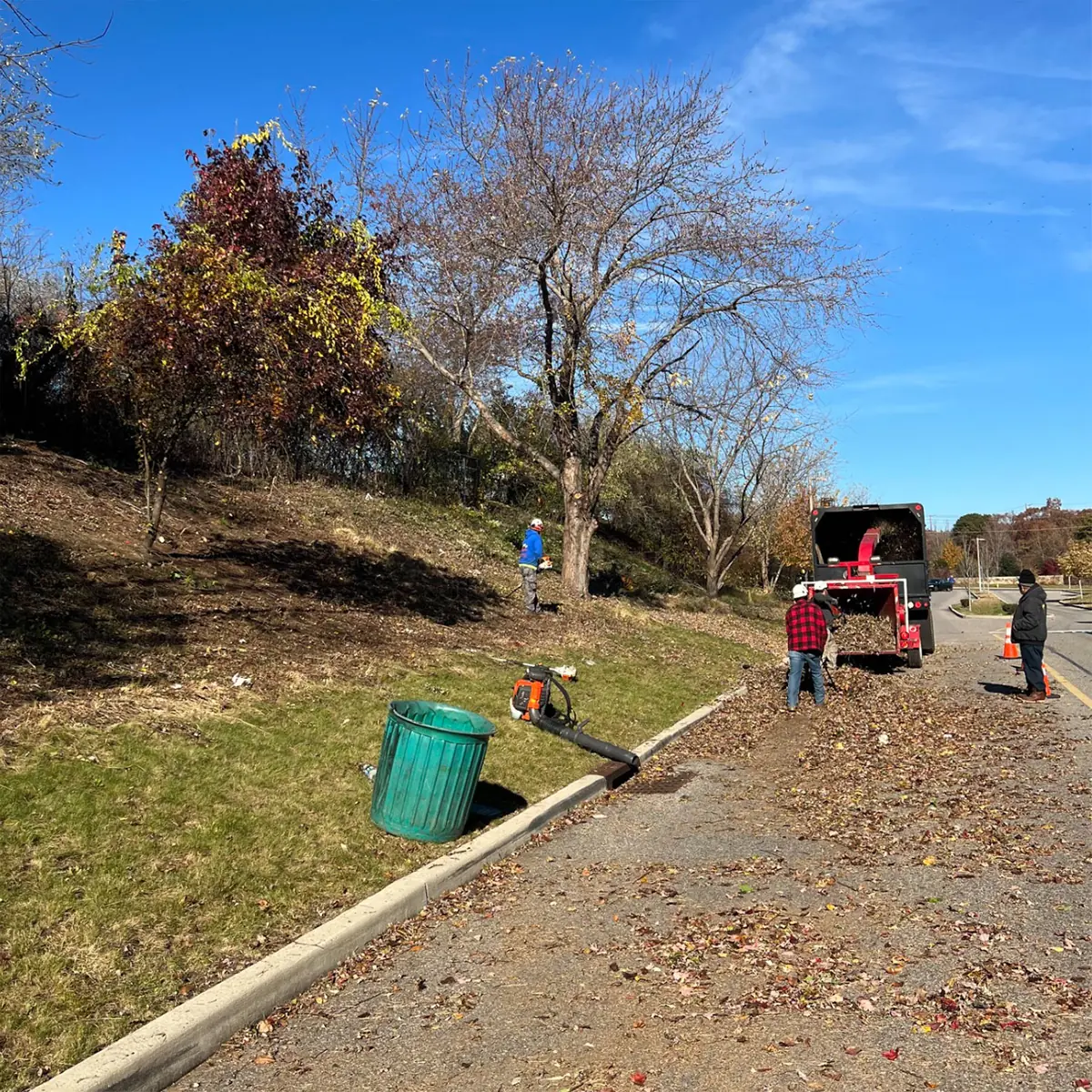
The best time depends on whether the work is an urgent safety response, an elective removal, or pruning intended to support a particular species.
A crane may be appropriate when a tree cannot be safely felled or dismantled using practical ground-based rigging, particularly over buildings or where the tree is structurally compromised.
New York homeowners insurance may cover necessary tree removal when a covered event causes a tree to damage an insured structure, subject to policy terms, exclusions, deductibles, and limits.
Prepare Long Island trees before hurricane or nor'easter warnings by arranging a professional assessment, addressing identified defects, and planning around power lines and evacuation needs.
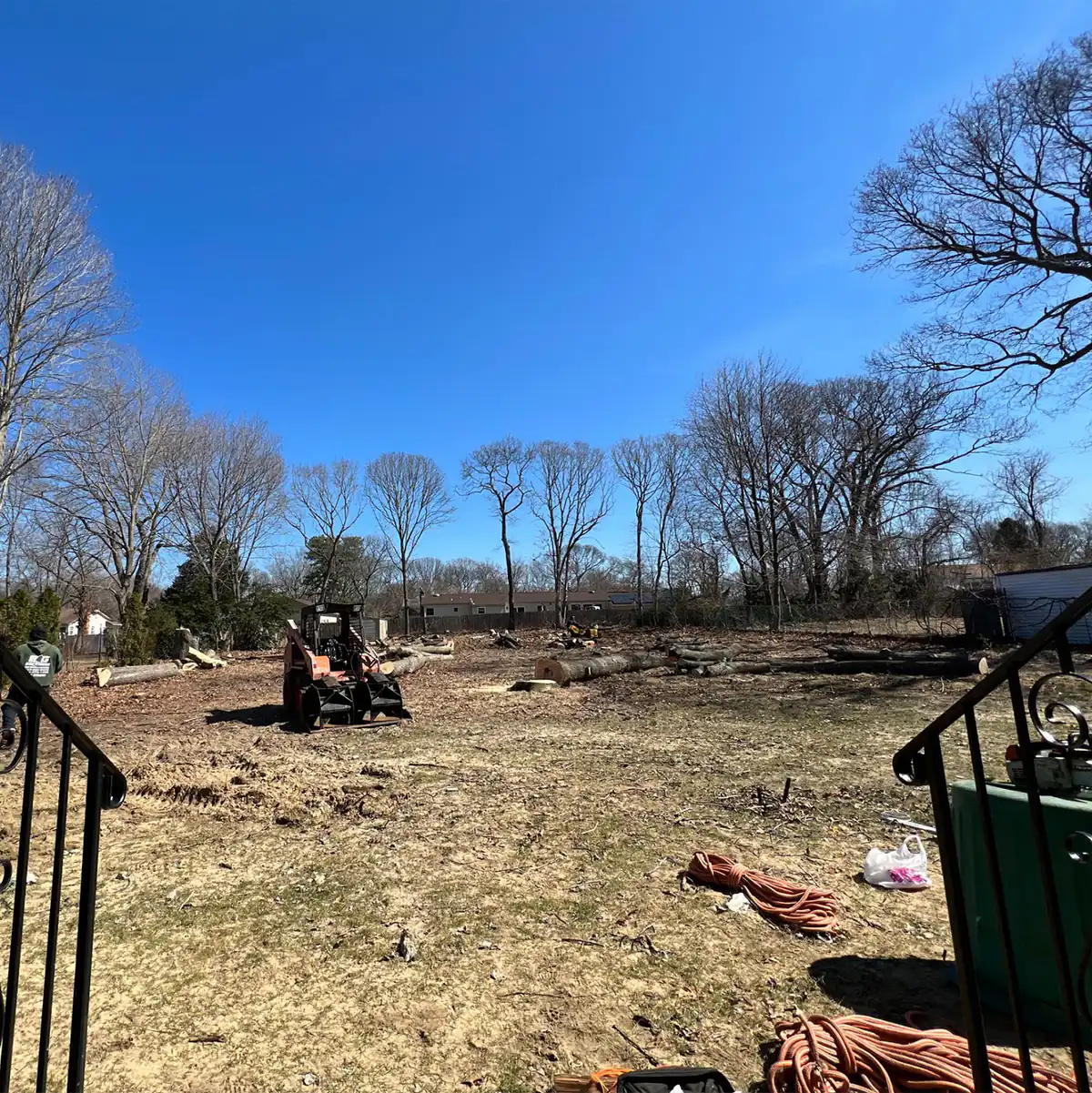
Land clearing on Long Island needs a parcel-specific quote because the clearing boundary, vegetation, equipment access, disposal plan, and required finish determine the work.
A neighbor is not automatically responsible simply because their tree fell onto your New York property.
Oak wilt is a serious concern on Long Island, but brown leaves, canopy thinning, and beetle holes do not establish the diagnosis or automatically justify removal.
A tree may be dangerous when new structural damage, root movement, or failing branches could threaten people or property.
If a tree falls on your house, move away from the impact area and call 911 for immediate threats, injuries, fire, or suspected collapse.
Tree trimming is usually the better choice when targeted pruning can meet your goal while retaining a structurally serviceable tree.