East Hampton · Suffolk County
Tree Trimming & Pruning in East Hampton, NY
East Hampton landscapes range from sheltered gardens behind hedges to more exposed properties toward the Atlantic and Gardiners Bay. Tree trimming should respond to those differences, not apply the same canopy treatment everywhere. A tree's exposure, root environment, previous cuts, and relationship to occupied spaces provide the starting point for deciding what work is useful.
Call (631) 873-1596Along routes such as Montauk Highway, Three Mile Harbor Road, and Springs Fireplace Road, access can be as important as the pruning prescription. Gates, long drives, seasonal activity, and carefully maintained grounds may limit equipment movement. A thoughtful plan identifies the branches that need attention while also protecting the landscape beneath them and organizing how cut material will leave.
Work with coastal exposure, not against it
Salt exposure and wind can influence crown condition, but an exposed tree should not automatically receive heavy thinning. Inspect for dead tips, broken branches, uneven growth, and defects that warrant targeted cuts. Selective crown thinning retains a functioning canopy while addressing particular crowded or poorly attached branches. Avoid topping and lion tailing: neither creates a reliably safer coastal tree. Stripping interior foliage or leaving large stubs can sacrifice useful growth without resolving underlying weaknesses in the trunk or root system.
Give oaks and maples individual treatment
For oaks, preserve sound framework branches and avoid removing large living limbs simply to create a tidier silhouette. Maples should likewise be assessed for competing stems, crossing branches, and previous wounds before cuts are selected. Crown raising can improve passage beneath a canopy, but clearance should develop gradually rather than through abrupt removal of the lower crown. Around roofs, aim for practical separation through well-placed cuts. The amount removed should reflect the tree's health and tolerance, not a standard percentage.
Prepare for hurricanes and nor'easters realistically
Before severe weather seasons, prioritize deadwood, suspended branches, fresh cracks, and visibly failing attachments. Consider what lies beneath each concern: a seating area, bedroom roof, driveway, or neighboring structure changes the consequences of failure. Pruning may reduce identifiable branch hazards, but no responsible assessment can promise stormproof trees. Root movement, decay, and trunk defects need evaluation beyond the canopy. Where branches approach wires, including the service drop to a building, stop ordinary pruning plans and coordinate with PSEG Long Island and qualified line-clearance personnel.
Arrange access and check the right jurisdiction
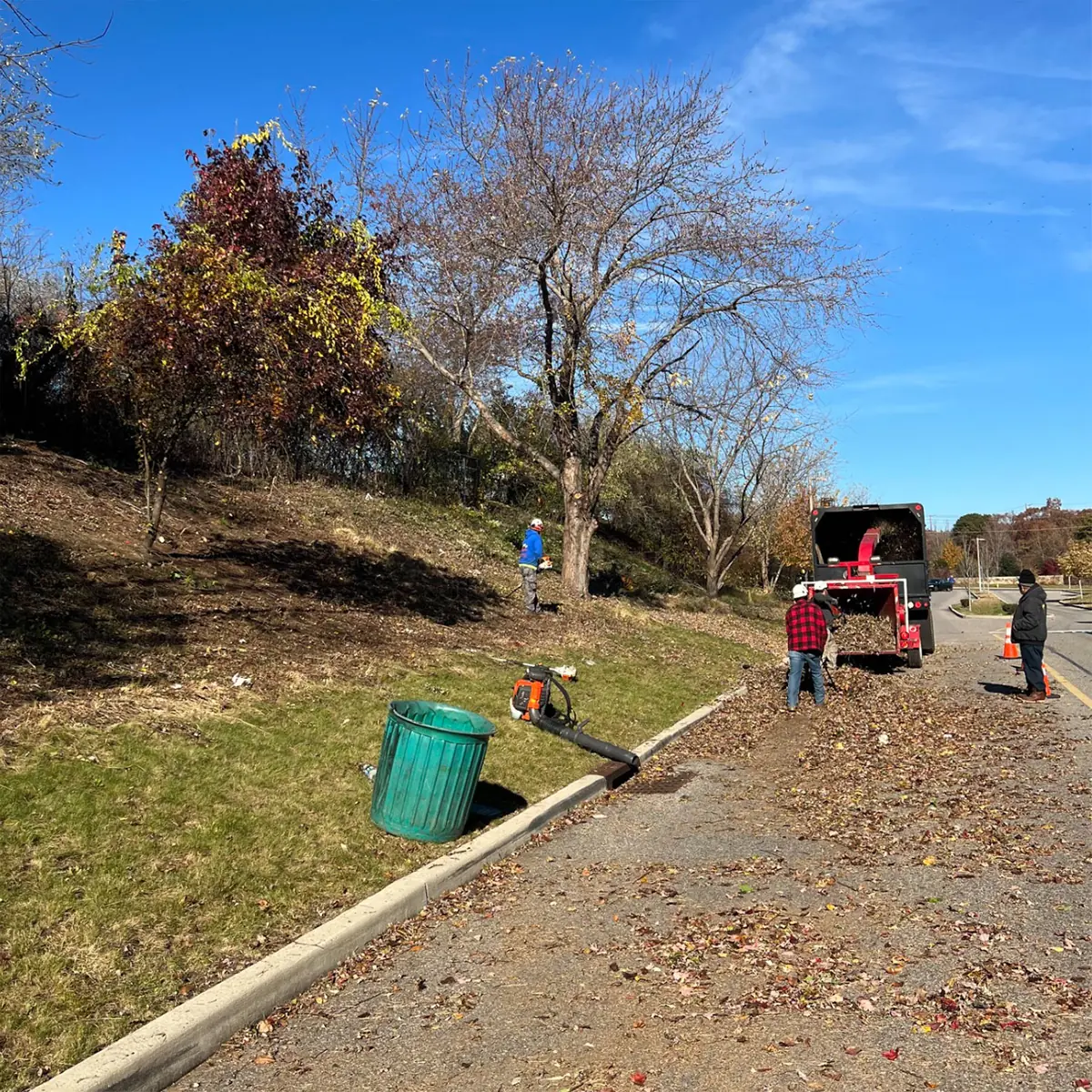
Equipment planning should account for driveway width, overhead clearance, irrigation, soft ground, and room to stage brush. On enclosed properties, smaller pieces may need to be lowered and carried out instead of moved directly to a chipper. Keep emergency and resident access in mind when planning roadside work. East Hampton Village and the Town of East Hampton are distinct jurisdictions; identify where the parcel lies before asking about any applicable permissions or restrictions. A mailing address alone should not settle that question.
Know when retention is no longer sensible
A declining tree cannot always be made suitable for its setting through repeated trimming. Removal may deserve consideration where major root loss, advanced decay, a compromised main union, or extensive dieback makes retention unreasonable. The assessment should distinguish a removable branch defect from a problem affecting the whole tree. If keeping the tree would require recurring severe crown reduction, discuss whether removal and a better-suited replacement offer a more practical direction. Confirm relevant requirements with the appropriate jurisdiction before proceeding.
Tree removal in East Hampton
Big Brothers Tree Service can review whether selective removal or pruning fits your East Hampton property. Use our local tree removal page to compare access planning, large-tree work and cleanup options. Call (631) 873-1596 for a free estimate and describe the project before arranging a visit.
Tree removal in East Hampton, NYTree Trimming & Pruning in East Hampton — FAQs
What season is best for tree trimming in East Hampton?
Species, health, exposure, and the intended cuts determine timing. Dormant periods are often suitable for structural pruning, but some conditions call for a different approach. Have dangerous broken limbs or other immediate hazards assessed promptly rather than postponing them.
Should large East Hampton coastal trees be pruned on a regular cycle?
Not automatically. Each tree needs an individual inspection that considers growth, storm damage, condition, and nearby targets. Exposure alone does not establish a pruning interval, and a healthy canopy may need less intervention than its appearance suggests.
Which details influence an East Hampton trimming estimate?
The estimate depends on tree dimensions, defects, branch locations, access, protective measures, and cleanup requirements. A gated garden or branches over a roof can increase handling complexity. The number and difficulty of necessary cuts matter more than appearance alone.
Who should handle East Hampton branches near electrical lines?
Coordinate with PSEG Long Island and appropriately qualified line-clearance personnel for electrical-proximity work. This includes service-drop situations; an ordinary climber should not handle them. Do not move branches touching wires or assume a covered conductor is safe.